September 25, 2026 Post by : Editorial Handcrafted Goods
A Farmhand's Salve: Whipping Tallow Into a Daily Hand Cream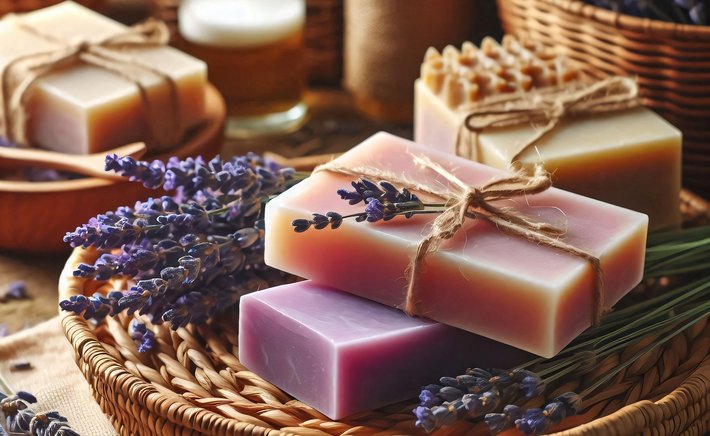
Before commercial soap, most households made their own from the fat left over after butchering. Tallow soap is hard, long-lasting, and remarkably good at cutting grease, which makes it a natural fit for the kitchen and the workshop. If you have rendered tallow on hand, a batch of soap is one of the most useful things you can make with it.
Soap making involves lye, and lye deserves respect. Wear gloves and eye protection, work in a well-ventilated space, and never use aluminum pots or utensils, which react with lye. With those precautions, cold-process soap is a calm, methodical craft that rewards patience.
The Basic Tallow Soap Recipe
This recipe makes about two pounds of finished soap, roughly eight to ten bars. You will need a kitchen scale, a stainless steel or enamel pot, a glass or stainless bowl for the lye solution, a stick blender, and a soap mold lined with parchment.
Weigh out 16 ounces of clean rendered tallow and 4 ounces of coconut oil. The coconut oil adds lather, since tallow alone produces a creamy but modest foam. In a separate container, weigh 3.5 ounces of lye and 9 ounces of distilled water. Always add lye to water, never the other way around, and stir gently until dissolved. The mixture will heat up on its own; let it cool to around 100 to 110 degrees Fahrenheit.
Warm the fats until melted and also around 100 to 110 degrees. Pour the lye solution into the fats and stir with the stick blender in short pulses. The mixture will thicken and lighten, reaching trace when a drizzle left on the surface holds its shape for a moment. At trace, add any essential oils you like, around half an ounce total. Lavender, rosemary, or a citrus blend all work well.
Curing and Using Your Soap
Pour the soap into the mold and cover it with a towel. Let it sit undisturbed for twenty-four to forty-eight hours, until it is firm enough to cut. Unmold, cut into bars, and set them on a rack in a cool, dry place with good air circulation.
Here is the part that tests your patience: tallow soap needs a long cure, six to eight weeks, to become the hard, mild bar it is meant to be. The cure lets excess water evaporate and the soap finish saponifying. Bars that seem soft and harsh at three weeks become gentle and long-lasting by two months.
Once cured, these bars shine in the kitchen. They handle greasy pans, garden hands, and workshop grime without stripping skin. A bar kept near the sink lasts for weeks. Make a batch in the fall, tuck it away on a shelf, and by the holidays you will have a stack of honest, useful soap to use and to give away.


Author

22 feb,2025
This incident opened my eyes to the value of Insurance in general, so I decided to examine my personal and business insurance.




Comment (3)
The payments are made directly from one person to another without passing through a central bank or clearing house.
22 feb,2025
ReplyThe Slow Craft of Hand-Dipped Tallow Candles
23 feb,2025
ReplyHow to Render Beef Tallow for Candles: A Beginner's Guide
23 feb,2025
Reply